
Asheville NC Arrest Records and Detention Facility Search
Asheville is the largest city in western North Carolina and the county seat of Buncombe County. The Asheville Police Department provides law enforcement within the city limits, while the Buncombe County Sheriff operates the detention facility where all bookings are processed. The Buncombe County Detention Facility has a 604-bed capacity and serves as the central intake point for arrests from Asheville and surrounding areas. This page explains how to look up recent bookings from Asheville and what resources are available.
How Asheville Recent Bookings Are Processed
When Asheville Police arrest someone, the person is transported to the Buncombe County Detention Facility. The sheriff's staff run the intake process, which includes logging personal details, recording the charges, and taking a booking photo. Each booking creates a record in the county system that is available to the public. The 604-bed facility is one of the larger jails in the western part of the state and handles a steady flow of new bookings each day.
Asheville is the only large city in Buncombe County, so a big share of the county's bookings come from APD arrests. The jail also receives people arrested by the Buncombe County Sheriff, Black Mountain PD, Weaverville PD, and other local agencies. All bookings go into the same database, which makes it simple to search for records across the entire county from one place.
The turnaround is quick. Most Asheville arrests lead to a booking at the detention facility within a couple of hours. Once the data enters the system, it becomes searchable through the Buncombe County P2C inmate catalog. You can often find a new Asheville booking on the same day the arrest occurs, giving you close to real-time access to the information.
Asheville Police Department
The Asheville Police Department serves a city of about 94,000 people. Asheville draws a large number of visitors each year for its arts scene, craft breweries, and mountain setting. The tourism industry means that the police force deals with a population that is often larger than the resident count would suggest. APD has patrol, detective, and specialty divisions that cover everything from downtown foot patrols to major crimes investigations.
Each arrest by APD produces a police report that stays with the department and a booking record that is created at the Buncombe County Detention Facility. The police report covers the facts of the incident, while the booking record tracks custody status, charges, and bond. Both are public in most cases, though they come from different offices. Contact APD for the arrest report and the Buncombe County Sheriff for the booking record.
APD also partners with federal and state agencies on task force work, especially related to drug enforcement in the region. These joint operations can result in arrests that are logged under the task force name or the lead federal agency. Even in those cases, if the person is held locally, the booking goes through the Buncombe County Detention Facility and shows up in the county database.
Buncombe County Detention Facility
The Buncombe County Detention Facility is a 604-bed jail operated by the sheriff's office. It processes all bookings for the county, including those from Asheville PD. The facility sits in the county seat and serves as both a short-term holding area for people awaiting court and a longer-term housing unit for those serving sentences of less than two years.
The facility handles a large volume of bookings. On any given day, the jail may process dozens of new intakes. Each one goes through the same steps: identity verification, charge entry, photo, and bond review. The data from each booking feeds into the county system and becomes part of the public record. The Buncombe County Sheriff publishes this data through the P2C inmate catalog.
The Buncombe County P2C Inmate Catalog lets you search for current inmates by name. Each listing shows the charges, booking date, bond amount, and arresting agency. If you want to find someone who was recently booked from an Asheville arrest, this is the most direct tool available. It updates throughout the day and is free to use without an account.
State Resources for Asheville Booking Records
North Carolina provides multiple state-level databases that complement the local Buncombe County tools. These are useful when you need to track a case beyond the initial booking or when the county roster does not have the record you are looking for.
The NC eCourts Portal gives you access to court records from all 100 counties. If an Asheville arrest led to charges in Buncombe County court, you can find the case here. Search by name or case number to see charges, hearing dates, and case outcomes. The portal is free and covers both district and superior court cases.
The NC Department of Adult Correction offender search tracks people in state prison or on post-release supervision. If someone arrested in Asheville was later sentenced to prison, they will appear in this database. The NC Courts site has forms, guides, and contact details for the Buncombe County court system. And VINELink provides free alerts when an inmate's custody status changes at the Buncombe County Detention Facility or any other jail in the VINE network.
- Buncombe County P2C Inmate Catalog for current jail roster and Asheville bookings
- NC eCourts Portal for Buncombe County court records
Public Records and Asheville Bookings
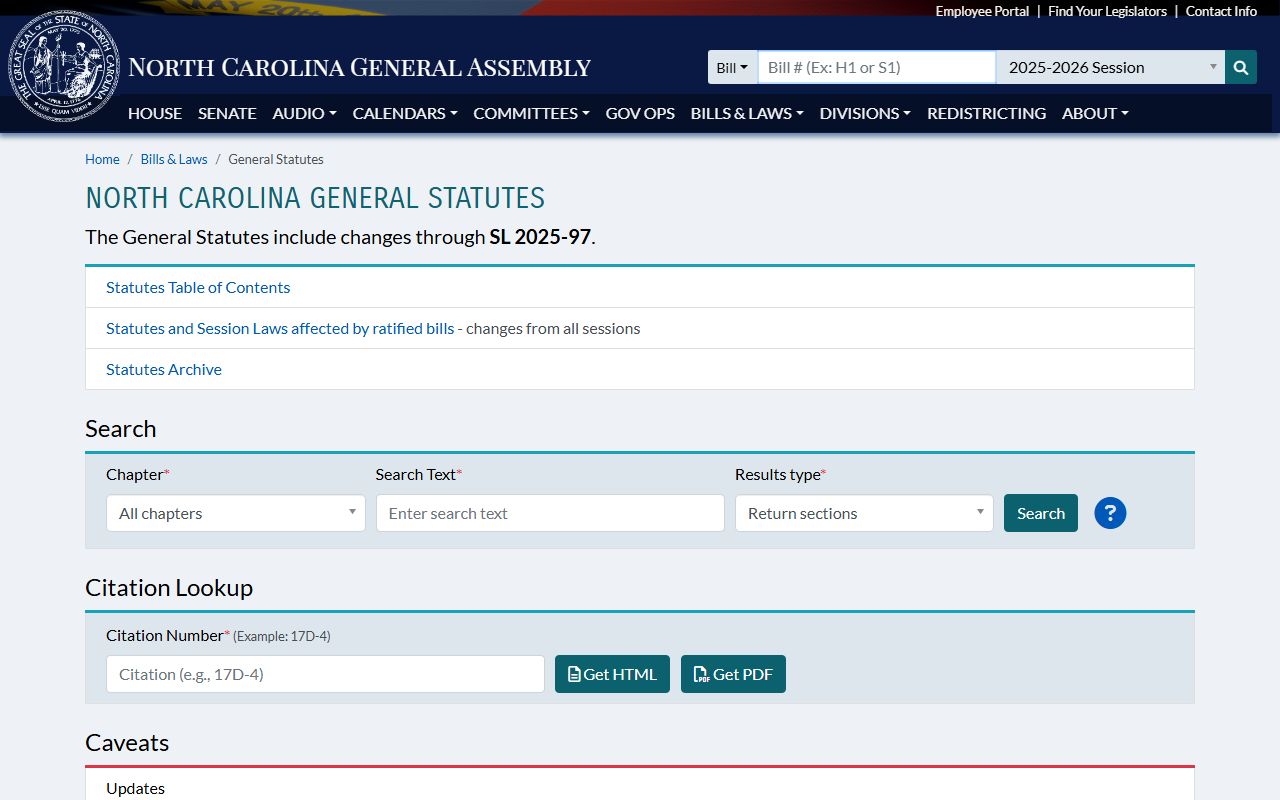
North Carolina's open records law applies to all booking data from Asheville. Under N.C.G.S. Chapter 132, records made or received by any government agency in the state are public property. This covers jail rosters, booking logs, arrest reports, and court files. You can request these records from the Asheville Police Department or the Buncombe County Sheriff without stating a reason.
Agencies must respond to records requests in a prompt manner. Fees for copies are allowed but must be reasonable. Viewing records at the office is typically free. The core booking data from Asheville, including names, charges, dates, and bond amounts, is accessible to anyone who asks. Some exceptions exist for juvenile records, active investigation files, and medical information within a booking record.
The criminal procedure rules in N.C.G.S. Chapter 15A set the framework for how arrests and bookings are carried out in Asheville and across North Carolina. These rules define when an officer can make an arrest, what rights the person has, and how the initial court appearance works. Every record created during this process is part of the public file under state law.
What Happens After an Asheville Booking
Once someone is booked at the Buncombe County Detention Facility after an Asheville arrest, they go before a magistrate. The magistrate reviews the charges and decides on bond. Low-level offenses may result in a written promise to appear. Serious felonies typically carry a cash bond or a secured bond that requires collateral. The magistrate's decision becomes part of the booking record.
From there, the case enters the Buncombe County court system. District court handles misdemeanors, while superior court takes on felonies. The person must appear at each scheduled hearing or risk a failure to appear charge. You can monitor the case through the NC eCourts Portal using the person's name or case number. Every hearing, motion, and judgment adds to the public record.
The full trail of records from an Asheville arrest is available to the public. The booking log, magistrate order, court filings, and final judgment are all accessible under North Carolina law. This transparency lets anyone follow a case from the moment of arrest through the final court ruling, providing a complete picture of how the justice system handles bookings that start in Asheville.
Recent Bookings in the Asheville Community
Asheville is a city known for its vibrant culture, outdoor recreation, and historic architecture. The Blue Ridge Parkway, Biltmore Estate, and a thriving food and arts scene draw millions of visitors each year. This tourism-driven economy shapes the types of crimes that appear in booking records. Alcohol-related offenses, disorderly conduct, and theft are common, particularly in the busy downtown corridor and entertainment districts.
Most recent bookings from Asheville involve charges like driving while impaired, drug possession, shoplifting, assault, and trespassing. The city also sees cases tied to its homeless population, including public intoxication and trespassing charges. More serious offenses such as burglary, robbery, and weapons charges appear less often but are part of the booking data. The mix gives a clear picture of public safety trends in Asheville.
Asheville sits in a mountain valley with limited routes in and out. This geography means that law enforcement can track movement patterns more easily than in flat, sprawling metro areas. The Buncombe County Sheriff and Asheville PD work together on road checks, drug interdiction, and other operations that result in bookings at the county detention facility. The data from these efforts shows up in the jail roster alongside standard patrol arrests.
Buncombe County Recent Bookings
All Asheville bookings are processed through Buncombe County. The county page on this site has more details on the detention facility, the sheriff's office, and additional search tools. Buncombe County covers Asheville, Black Mountain, Weaverville, and other communities in the area. Visit the county page for a wider look at recent bookings in the region.